Blog
Area Examples
Concrete numbers make formulas trustworthy. These examples show inputs, shape choice, and square-unit results you can reproduce in the tool.
By Area Calculator

Blog
Concrete numbers make formulas trustworthy. These examples show inputs, shape choice, and square-unit results you can reproduce in the tool.
By Area Calculator
Each example lists shape, inputs, and area in square units.
Formula
Copy any row below into Area Calculator to confirm the arithmetic on your phone during a site visit or study session.
Examples are grouped by shape so you can assign practice sets without rewriting the instructions each week.
Always state the unit in the answer line so graders and inspectors see that you squared the measurement correctly.
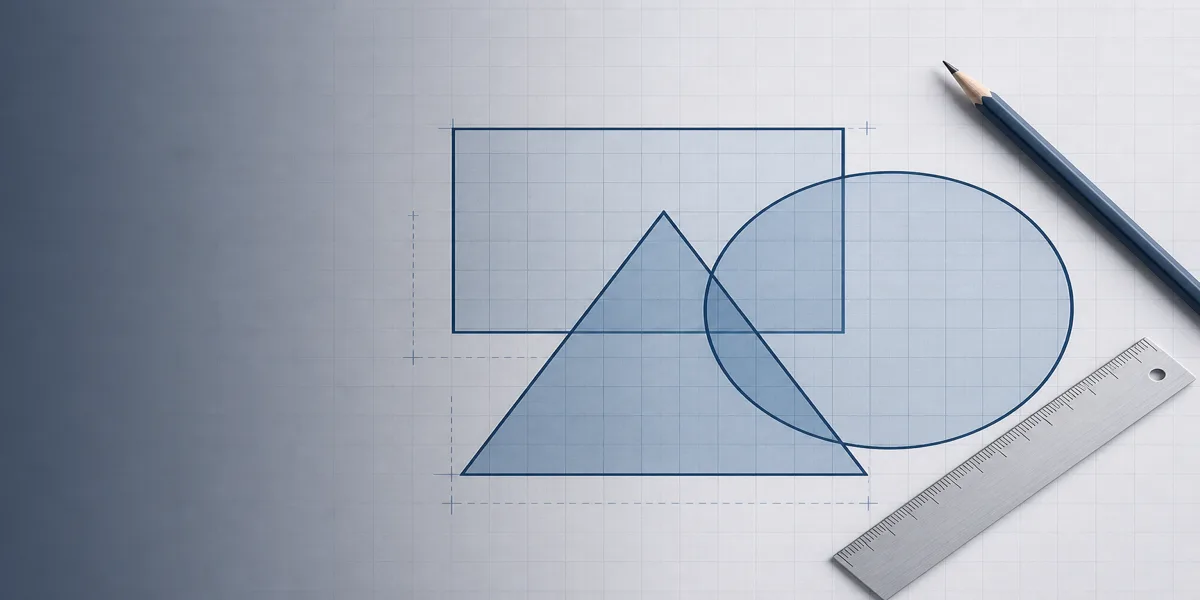
An area example pairs a story or diagram with numeric dimensions and a finished square-unit value.
The rectangle area calculator article explains the most common flooring case in more depth than a short card can cover.
Real-world examples also mention what you should not include, such as cabinets you will not tile.
Square examples can use rectangle mode with equal sides. That keeps one less symbol track for new students.
Triangle examples need a perpendicular height. If your diagram only shows three side lengths, review triangle area calculator for base-height setup tips.
Rectangle room: 12 ft by 9 ft → 108 ft² of floor.
Square tile sample: side 0.4 m → 0.16 m² per tile face.
Triangle gable section: base 8 m, height 3 m → 12 m².
Circle pond: radius 2 m → about 12.566 m².
Office carpet zone: 4.2 m by 3.8 m → 15.96 m² before desk islands you skip.
Examples turn abstract symbols into checks you can repeat.
Build your own set by changing one dimension at a time and watching how the square-unit value moves.
Area vs perimeter explained with formulas, units, and examples for fencing, flooring, and classwork so you choose coverage or boundary distance correctly.
Convert area units: square feet to square meters, acres, hectares, and square inches. Factors for finished area and when to convert lengths first.
Circle area calculator with radius and diameter tips, πr² explained, engineering and everyday round shapes, and worked examples to match online.