Blog
Area Formula
The correct area formula depends on the shape and on which lengths the problem gives you. This page collects the core patterns and shows when to use each one.
By Area Calculator

Blog
The correct area formula depends on the shape and on which lengths the problem gives you. This page collects the core patterns and shows when to use each one.
By Area Calculator
Match the shape to a standard area relationship, then substitute your measurements in one consistent unit system.
Formula
Students and crews both reach for Area Calculator after they identify the figure, because the right formula saves time and prevents mixed-unit mistakes.
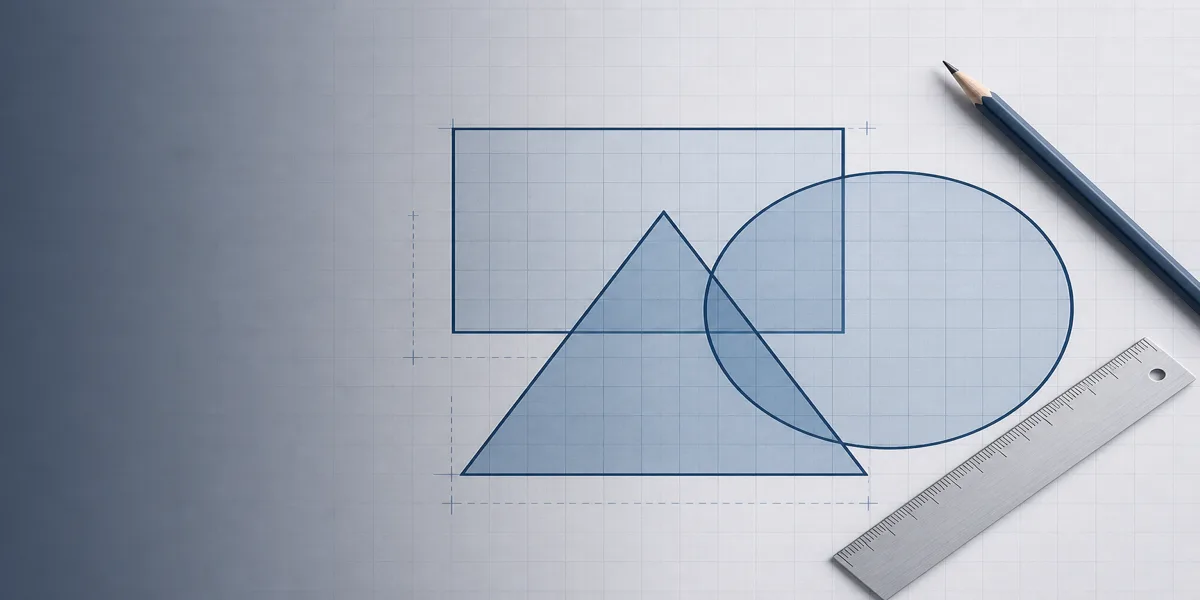
Most introductory work uses rectangles, triangles, and circles. More specialized outlines add trapezoids, regular polygons, and composite layouts built from simpler pieces.
Read the quick answer for the main symbols, then work through the examples before you tackle a multi-room floor plan.
An area formula is a shorthand rule that turns known lengths into square-unit coverage. The rule changes when the outline changes, even if the real-world object looks similar.
A square is a rectangle with equal sides, so the rectangle area calculator article is often the fastest path when you enter the same value for length and width.
Composite figures are not new formulas. They are several standard formulas applied to pieces of the same diagram.
Formula selection starts with the diagram label. If the drawing says circle, use radius or diameter conversions before you square anything.
Diameter problems appear often in shop class and on mechanical prints; the circle area calculator walkthrough shows the radius step clearly.
When a problem only gives three side lengths on a triangle, you may need Heron's formula on paper even though the home tool expects base and height.
Rectangle: l = 9 ft, w = 11 ft → A = 99 ft².
Triangle: b = 14 in, h = 6 in → A = 42 in².
Circle: r = 5 cm → A ≈ 78.54 cm² when π ≈ 3.14159.
Choosing the right area formula is mostly pattern recognition plus careful units.
Practice one shape at a time, then mix problems once each rule feels automatic.
Area vs perimeter explained with formulas, units, and examples for fencing, flooring, and classwork so you choose coverage or boundary distance correctly.
Convert area units: square feet to square meters, acres, hectares, and square inches. Factors for finished area and when to convert lengths first.
Circle area calculator with radius and diameter tips, πr² explained, engineering and everyday round shapes, and worked examples to match online.